From Fear to Focus: Why Gratitude is Your Greatest Competitive Advantage
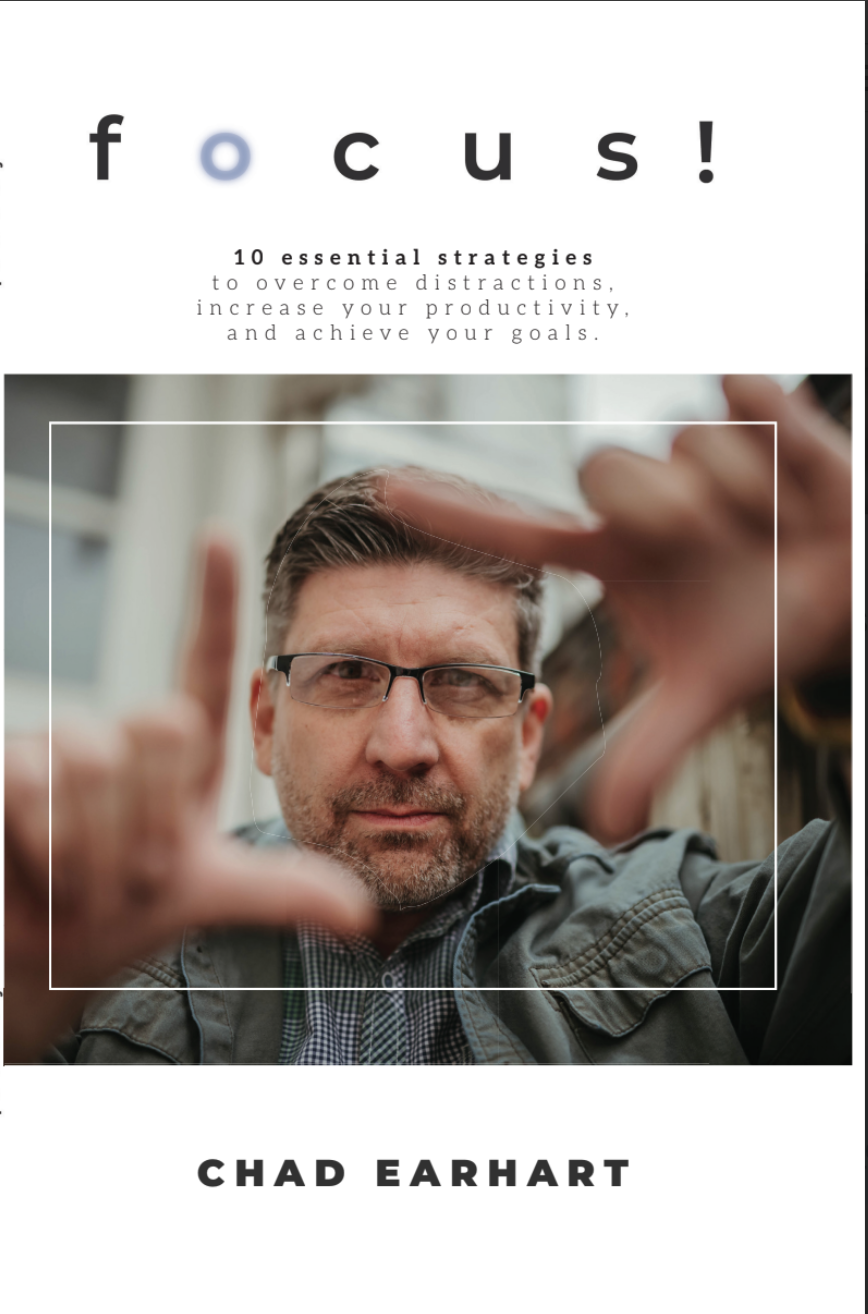
I wrote these words long before AI became the headline of every business conversation, yet the message speaks directly to the uncertainty many are feeling today. This is the first chapter of my book, Focus!, penned at the onset of the COVID-19 pandemic. During that time, these principles served as my anchor. They kept me from falling into the trap of passivity and procrastination, while simultaneously preventing me from spiraling into the "freak out" mode that gripped so many others.
Because I applied these truths, I was able to produce some of my most meaningful work during a global crisis. I became the strongest I’ve ever been physically, mastered new skills, completed this book, and even took a priceless trip with my father and son. Currently, I am in the studio working on the audiobook version of Focus!, and I want my community to be the first to experience it. Here is the foundation of everything I teach.
F.O.C.U.S. Tip: Use fear only to get you started, and gratitude to give you endurance.
I promise not to bury you in academic research, long-winded illustrations, or unnecessary fluff. If you are reading this, it is because you need to focus, not get lost in the weeds. My goal is simple: to get you focused fast so you can accomplish your true dreams.
Science confirms that fear is a powerful initial motivator. It triggers a chemical cocktail in our brains designed to sharpen our immediate focus for survival. When the pandemic first hit, my self-preservation instinct kicked in. I realized water was my most critical need, so I immediately secured a LifeStraw filtration system. Others, famously, focused their fear on a perceived shortage of toilet paper. While fear can spark that initial adrenaline surge to act, it cannot sustain you. In fact, prolonged fear is detrimental; it is the very thing that derails most people from their long-term focus.
To stay on track, I had to quiet the competing voices in my head. I learned to counter the negative momentum of fear with the stabilizing power of gratitude. Instead of being swept away by the news cycle, gratitude allowed me to think clearly and make rational, strategic decisions. When we operate in fear, we almost always make poor judgments. Worry is largely a waste of energy—it clutters the mind with scenarios that haven't actually happened.
This isn't about ignoring warning signs; it’s about refusing to let irrational fear drive the car. I remember a friend from Missouri who, out of habit from living in deer country, slowed down on the Golden Gate Bridge because she was afraid a deer might jump out! We laugh, but many of us drive our businesses and lives with that same irrational braking system.
Moving Beyond the Defaults
I’m going to provide you with tools to help you focus, but tools are useless if you don’t know how to use them. The reason I founded a coaching company is because I realized most of us operate on "unconscious defaults" established in our childhood. Hurts and fears from our past create a cycle that repeats until we intentionally change the script.
Think about it: you tie your shoes, walk, and even drive without thinking. You learned these things once, and now they are automatic. The problem arises when we learn to do things incorrectly. I see it on the highway every day—people who have defaulted to bad driving habits and claim, "That’s just the way I am." We do the same in our relationships, our finances, and our work. We may stay poor because we have an unconscious default that says wealth is wrong.
Professional coaching is the fastest way to make the unconscious conscious. It allows you to uncover the hidden scripts and make intentional decisions to get what you truly want.
“Whether you think you can or can’t - you’re right.��� — Henry Ford
“Until you make the unconscious conscious, it will direct your life and you will call it fate.” — Carl Jung
Exposing the Inner Script
Any excuse will serve to keep you unfocused. You might tell yourself these ideas don't fit your personality or that they stifle your creativity. To break through, start by asking yourself these two questions to expose your unconscious thinking:
1. What do you really want?
Often, what we say we want is just a proxy for a deeper need. You might say you want a large savings account, but what you actually want is the feeling of security. You might want a bigger house, but what you’re truly seeking is acknowledgement from your community.
2. What is the truth vs. what have you learned from the past?
Facts are your friends. During the pandemic, I looked at trusted data from 1918 to predict the future accurately. This kept me from "freaking out" and allowed me to move forward with wisdom.
Facing the Personal Truth
For a long time, I lived with the belief that I was "not enough." It likely stemmed from the shame surrounding my birth. This feeling drove me to be a workaholic, constantly raising an invisible bar of expectation that I could never quite clear. The first time I admitted this out loud, I felt physically ill. But by bringing that fear to my Creator and looking it in the eye, I broke its power. If you don't face these triggers, they will cause you to derail for days at a time.
I learned this the hard way during the 2008 recession when I lost several investment properties. It wasn't just the economy; it was my lack of awareness. I didn't see the situation as an opportunity. This time around, I decided to write this book instead of fretting into a terrible reality. If you focus on stubbing your toe, you’re going to stub it.
The Power of Choice
As a hospital chaplain, I often heard the phrase, "Hope for the best, prepare for the worst." I’ve found that facing the "worst-case scenario" usually reveals that reality isn't as bad as the worry we've built up around it. You must identify what is in your control. You cannot control the economy or other people’s reactions. You can only control yourself.
“When we are no longer able to change a situation, we are challenged to change ourselves.” — Viktor Frankl
The Science of Gratefulness
Fear causes worry, paralysis, and over-analysis. To break that cycle, use gratitude. Research shows that the human brain cannot embrace fear and gratitude simultaneously. It’s like a neurological switch. Choosing to be grateful every morning and evening turns off the fear noise, allowing you to respond with wisdom rather than reacting with instability.
“The human brain cannot embrace fear and gratitude simultaneously.” — Harold Bafitus D.O.
Momentum Over Perfection
If you aren’t moving toward something important, why? The pain of inaction usually stings much longer than the pain of an incorrect action. Research among the elderly consistently shows that regrets stem from not taking enough chances and worrying too much. Don’t let fear keep you from a life without regret. A freight train with momentum is unstoppable, but a train that isn't moving can't even hurt a fly. Choose to move.
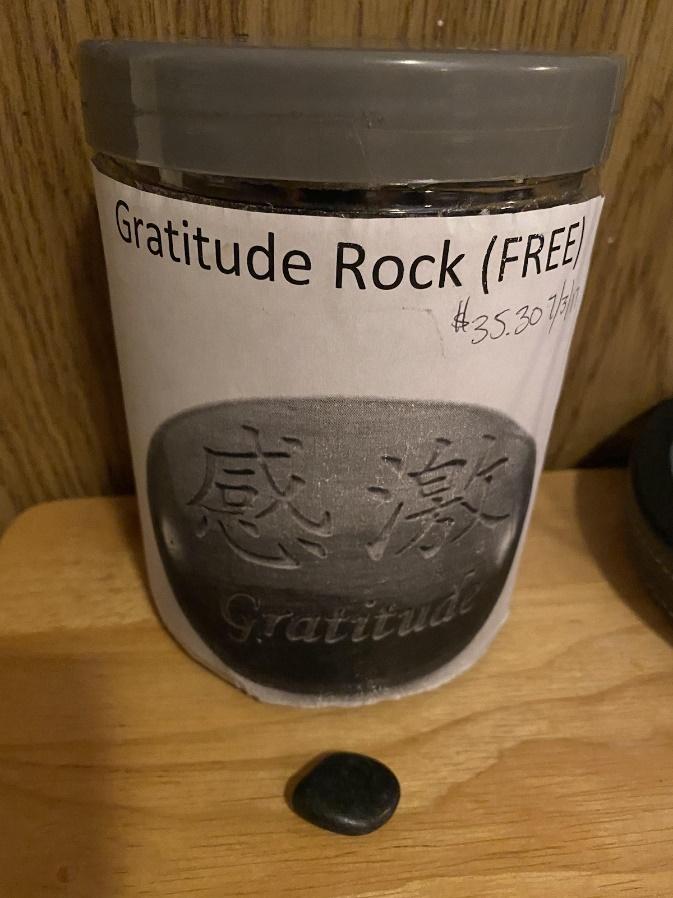
On July 3rd, 2017, I hit rock bottom. Following a divorce, I was alone, broke, and deeply depressed. In that dark season, I was taught the principle of gratitude. I made a conscious choice to start being grateful every single day. I even taped a hundred-dollar bill to my ceiling to remind myself of abundance when I felt I had nothing. It wasn't logical, but it worked. My attitude shifted, fear disappeared, and I began to make better choices. The Bible says to "be thankful in all circumstances" for a reason—it works.
Focus Pocus: Coaching Questions
1. How might you use fear as a signal to move forward rather than a reason to stop?
2. How can you incorporate daily gratitude to break through your current fear barriers?
Following One Course Until Successful,
Chad Earhart
P.S. I am giving my inner circle early access to the Focus! audio version at a special discount. You can find the book and resources at the links below:
focusbook.chadearhart.com
fogtofocusquiz.com/focus-book